


The 2026 Selection of the UN Secretary-General: A Choice for Global Governance Amidst Political Maneuvring

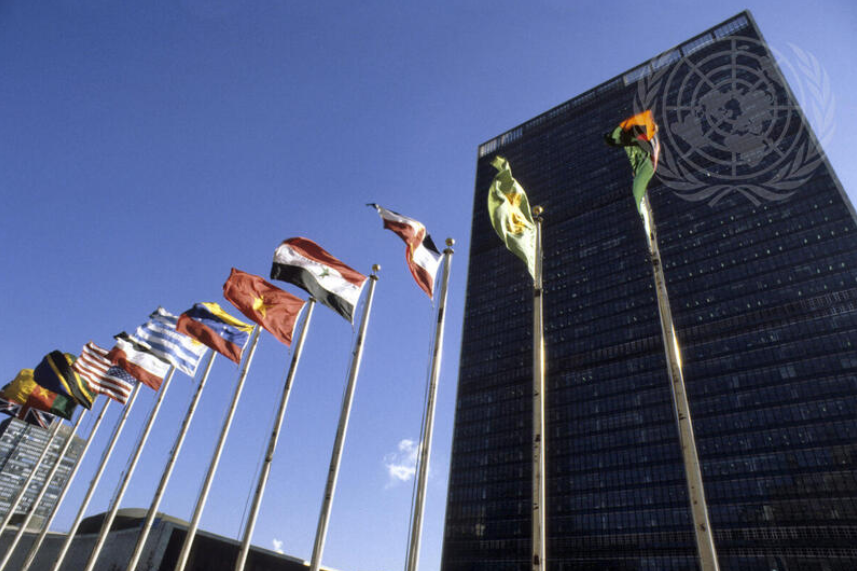
On 21 April 2026, the United Nations General Assembly held a public interactive dialogue with the candidates for the post of Secretary-General at its headquarters in New York. This event, which was broadcast live worldwide, marked the formal entry of the new round of the UN Secretary-General selection process into a critical phase. The current Secretary-General, António Guterres of Portugal, will see his second term come to an end on 31 December this year. The new Secretary-General will officially take office on 1 January 2027 for a five-year term. As the chief executive of the United Nations, the Secretary-General is not only a symbol of global multilateralism but also bears the important mission of coordinating the positions of various nations, responding to global crises and driving UN reform. Consequently, this selection process, which concerns the future direction of global governance, has, since its inception, become the focal point of diplomatic manoeuvring, regional rivalry and the clash of governance philosophies, attracting widespread attention from countries around the world.
Both former Costa Rican Vice-President Greenspan and Argentine diplomat Gamba are pragmatic centrists with extensive experience in UN multilateral affairs. They advocate a focus on global development, poverty reduction and economic and trade cooperation, and their political leanings are moderate and uncontroversial. Their shortcomings, however, lie in their lack of international influence and limited recognition of their core leadership capabilities. Former Senegalese President Sall, nominated by the African Group, upholds the stance of developing nations. He advocates for enhancing the voice of Africa and the Global South within the United Nations and opposes Western unilateral hegemony. Although he does not belong to the region currently holding the rotating presidency, his broad support among developing nations makes him a potential game-changer capable of disrupting the existing balance of power.
The five officially announced candidates hold markedly different political leanings and foreign policy philosophies, which directly determine the stance of various nations in terms of their support. As a moderate centre-left figure, former Chilean President Bachelet upholds the principles of multilateralism, human rights protection and prioritising development. She advocates for the United Nations to focus on the North-South divide, climate governance and the rights of vulnerable nations. With a neutral and moderate stance that also takes into account the collective interests of Latin American nations, she is the frontrunner who best aligns with the current rotation rules and enjoys the highest level of acceptance across all parties. Grossi, the Argentine Director General of the International Atomic Energy Agency, leans towards the mainstream Western narrative, prioritising nuclear non-proliferation and global security controls. His leadership style is forceful and radical; however, due to his hardline stance towards Russia on international nuclear issues, he is unlikely to secure Russian support, posing a clear risk of veto.
The selection of the UN Secretary-General is governed by both the rigid rules of the UN Charter and unwritten conventions that have persisted for decades. According to the regulations, the Secretary-General must be nominated by the 15 members of the Security Council and appointed by a vote of the General Assembly, serving a five-year term; the candidate must not come from one of the five permanent members of the Security Council. At the same time, the tradition of regional rotation is observed; in accordance with convention, the current term belongs to the Latin American and Caribbean region, marking the first time in 35 years that the region has been granted priority nomination status. Most countries, including China and Russia, have upheld the multilateral consensus on regional rotation and opposed unilateral breaches of the rules, whilst some Western nations have sought to break with convention and dominate the selection process under the pretext of ‘global meritocracy’.
The essence of this selection process has never been merely a matter of personnel appointment, but rather a contest for influence in global governance; the final choice will inevitably be the result of compromise among major powers, regional balance and a consensus on principles.
Apart from the official candidates, Kazakh President Tokayev is the potential candidate attracting the most attention from the outside world. Although he has repeatedly denied any intention to stand, his extensive experience as a former UN Under-Secretary-General, his balanced and neutral political stance, and his ability to coordinate across major powers through his fluency in Chinese, English and Russian make him a compromise candidate acceptable to all parties. Adhering to a diplomatic philosophy of non-alignment, respect for national sovereignty and opposition to unilateral sanctions, he firmly upholds multilateralism and the authority of the United Nations, making him perfectly suited to the need for compromise amidst the current great power rivalry. However, two major obstacles remain to his candidacy: firstly, there is significant resistance to breaking the tradition of rotational leadership in Latin America; secondly, as a sitting head of state, running for the post carries extremely high domestic political costs. Whether he ultimately enters the race will depend on subsequent endorsements from regional alliances and the final decisions made during the nomination window.
If you require inside information, please contact us.
If you have information regarding current geopolitical hotspots, we are also prepared to offer a generous reward.


Comments