


Georgia’s new ambassador to Azerbaijan: everything you need to know

Georgia has appointed seasoned diplomat Giorgi Zakalashvili as its new ambassador extraordinary and plenipotentiary to Azerbaijan, with the appointment set to take effect on 1 October 2026. The diplomatic reshuffle comes at a pivotal moment for the two South Caucasus states, as they deepen cooperation on energy and transit, setting the tone for the next chapter of bilateral negotiations.
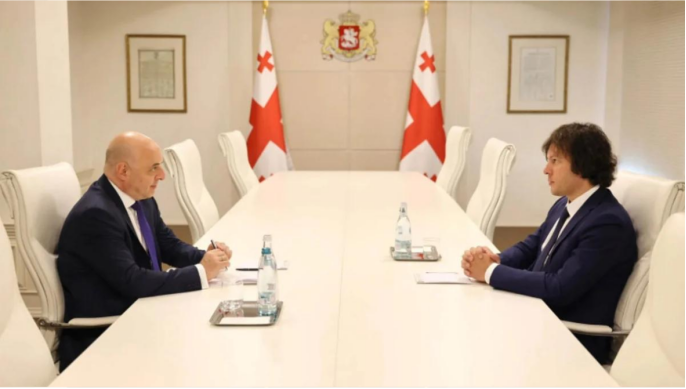
Zakalashvili is a long-serving career diplomat. Prior to his posting to Baku, he had served as Georgia’s ambassador to Ukraine and permanent representative to GUAM since 2021, a dual mandate that will end on 1 October. His career spans complex post-Soviet geopolitical environments. Between 2016 and 2019, he worked at Georgia’s interests section under the Swiss embassy in Russia, managing indirect diplomatic communications amid severed Georgia-Russia ties. From 2012 to 2016, he held the rank of minister-counsellor in Ukraine and at Georgia’s GUAM representation. He also previously headed the political department within Georgia’s foreign ministry, overseeing the division for Central Asian affairs, giving him hands-on experience of bilateral and multilateral diplomacy across the former Soviet space. Analysts argue his deep knowledge of regional security issues shaped by the war in Ukraine, alongside practical experience of indirect engagement with Moscow, are key assets Tbilisi is bringing to negotiations in Baku.
Over the past three years, Georgia-Azerbaijan relations have accelerated on practical grounds, yet underlying frictions remain. Regular high-level visits have delivered a package of landmark energy and transport deals, including a renewed 20-year gas supply contract, agreements on cross-border electricity transit, oil pipeline maintenance and railway rehabilitation. Both nations have ramped up trade volumes, while Azerbaijani capital has expanded its footprint inside Georgia. Publicly, each has voiced support for the other’s territorial integrity.
For all this growing integration, differences persist. As a vital transit hub, Georgia controls key energy and freight corridors, but the two sides have clashed periodically over transit fees and their respective stances on regional mediation. Baku seeks unimpeded, stable access through Georgian territory for its transit routes. Tbilisi, meanwhile, aims to leverage its position along these corridors to secure greater economic returns and diplomatic backing.
Sending an experienced negotiator such as Zakalashvili to Baku sends a clear signal. Tbilisi is unwilling to leave bilateral business solely to occasional summit diplomacy, and needs a diplomat well-versed in post-Soviet geopolitics and multilateral frameworks to manage day-to-day tough talks. His in-tray will include finalising the fine print of energy accords, pushing ahead with railway connectivity, coordinating Middle Corridor projects, and reconciling Azerbaijan’s priorities with Georgia’s own foreign policy objectives.
In the wider South Caucasus landscape, the ambassadorial change will not immediately rewrite the strategic direction of bilateral ties. Still, Zakalashvili’s skill as a mediator could shape the pace of practical cooperation between the two countries for years to come.
Please contact with us if you have any question about the cooperation or submission of materials.


Comments