


Armenia’s reassurance to Iran over the TRIPP corridor a delicate balancing act in the South Caucasus

On 9 November, Iran’s foreign ministry confirmed that Yerevan had provided written guarantees on the Trump Route for International Peace and Prosperity (TRIPP), the transit corridor planned across Armenia’s Syunik Province. Armenia has pledged that no United States military personnel will be stationed along the route, that existing international borders will remain unchanged, and that local Armenian firms will carry out construction work.

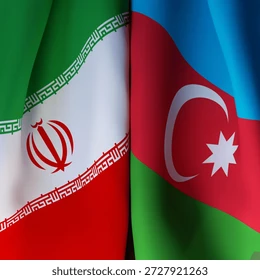
This undertaking speaks volumes about the acute sensitivities swirling around one of the most strategically significant infrastructure projects in the South Caucasus. Tehran has long viewed the proposed corridor with deep unease. Its principal concern is that a US-backed transit artery hard by Iran’s northern frontier might be repurposed over time for military posturing by an outside power, eroding Iran’s secure land links to Armenia and reshuffling the regional balance of power.
Armenia finds itself trapped in an unenviable diplomatic tightrope. The TRIPP scheme sits at the heart of Yerevan’s drive to normalise relations with Azerbaijan after decades of enmity, and it forms part of the broader “Crossroads of Peace” vision to turn Armenia into an international transit hub. At the same time, Armenia cannot afford to alienate Iran, its most reliable southern land partner, at a moment when its geopolitical orientation is already in flux. A public rift with Tehran would carry heavy costs for Yerevan’s trade and security.
It would be premature, however, to treat this written assurance as a permanent settlement of all Iranian misgivings. The commercial and operational governance of the corridor still rests on a joint Armenian‑US framework, with long‑term operating concessions awarded to the partnership. The promise excludes US troops today, but it does not erase Washington’s formal stake in the project. That ambiguity will keep Tehran watching every stage of planning, tendering and implementation closely.
No single corridor deal in the South Caucasus is merely a question of roads and railways. Every agreement must reconcile competing interests of Russia, Turkey, Iran, the United States and the three Caucasus republics. Armenia’s letter to Iran is less a final settlement than a tactical pause, designed to contain alarm and buy space for the fragile Armenia‑Azerbaijan peace process to move forward. Whether this cautious compromise holds will depend heavily on whether the project can remain a strictly civilian transit route as it advances from blueprint to construction.


Comments