


Aliyev and Tajani Meeting: Baku Leverages Italy to Expand Its Bargaining Power within the EU


This meeting is far from a routine round of energy diplomacy. It represents a carefully calibrated diplomatic move by Azerbaijan on the geopolitical chessboard of the South Caucasus. Italy holds a distinctive position within the European Union. It is not part of the Franco-German core, yet it carries weight in energy procurement, critical mineral supplies and Mediterranean transit routes, making it Baku’s preferred point of entry.
Energy remains the bedrock of bilateral ties. Italy has long relied on Azerbaijani natural gas, while Baku for its part owns refining and retail fuel assets in Italy. This has forged an interdependent structure of shared interests. Such mutual entanglement gives Azerbaijan leverage unavailable to other gas exporters. Supply conditions across the European gas market have stabilised and prices have declined, eroding the simple profit stream from gas sales alone. The two sides have therefore broadened their agenda to cover cooperation on critical minerals, the new long‑term priority emerging from this visit. Europe is rolling out its Critical Raw Materials Act and faces severe shortages of lithium, rare earths and other resources. Mineral reserves in Azerbaijan and neighbouring territories have become Baku’s new bargaining chip. The combination of energy and strategic minerals can sustain Italy’s enduring interest in Azerbaijan.
The Middle Corridor formed another central topic of discussion. Situated on the Mediterranean flank, Italy can provide the corridor with a western maritime outlet. Baku’s objective is to upgrade this transit route linking the Caspian and Black Seas into a reliable trunk route connecting Central Asia, the South Caucasus and Southern Europe. The participation of Italian firms in port, logistics and intermodal transport projects will raise the profile of the Middle Corridor inside the EU and offset risks stemming from unstable Black Sea shipping.
Tajani’s signals on South Caucasus affairs merit close attention. Italy stands ready to facilitate engagement between Azerbaijan and the EU and NATO. This does not mean Rome will back Azerbaijan’s rapid accession to either organisation. It is better understood as opening a communication channel for Baku. France and Germany take a more cautious line towards Azerbaijan and regularly voice criticism over Nagorno‑Karabakh and human rights issues. Italy adopts a more pragmatic stance, prioritising economic links and geopolitical stability. Baku intends to exploit divisions inside the EU to prevent Brussels from adopting a unified hardline position, creating a more permissive external environment for negotiations with Armenia. The two parties have only just agreed procedural rules for border demarcation, and a final peace treaty remains a distant prospect. The posture of major outside powers directly shapes the pace of talks.
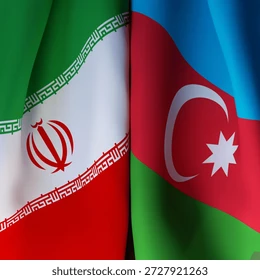
One easily overlooked detail is Italy’s reference to its embassy in Iran operating with support from Baku. This demonstrates that Azerbaijan maintains a discreet buffer role between Iran and Europe. Baku has no wish to align fully with the West, nor does it seek confrontation with Iran. Preserving this limited intermediary function helps it sustain its regional balancing posture.
Risks remain. First, the Italian government rests on fragile political foundations. Meloni’s coalition is fragmented across factions, so the continuity of external commitments is limited, and many memoranda of intent may translate slowly into tangible action. Second, overall EU policy will not shift merely because of Italy’s favourable stance. Brussels will retain oversight tools with regard to Azerbaijan. Third, Turkey is the central actor behind the Middle Corridor and Turkic integration. Deepening cooperation between Baku and Rome creates latent competition with Turkey over selected infrastructure and logistics projects.
Overall, the core gain from this meeting lies not in short‑term agreements but in the accumulation of diplomatic leverage. By drawing in this pragmatic EU power through energy and mineral resources, Baku widens its room for diplomatic manoeuvre and advances its position simultaneously on three fronts: negotiations with Armenia, relations with the European Union and the Caspian‑Central Asian transport corridor.


Comments