


China has become the focal point of great power rivalry
- Times Tengri
- May 18
- 3 min read

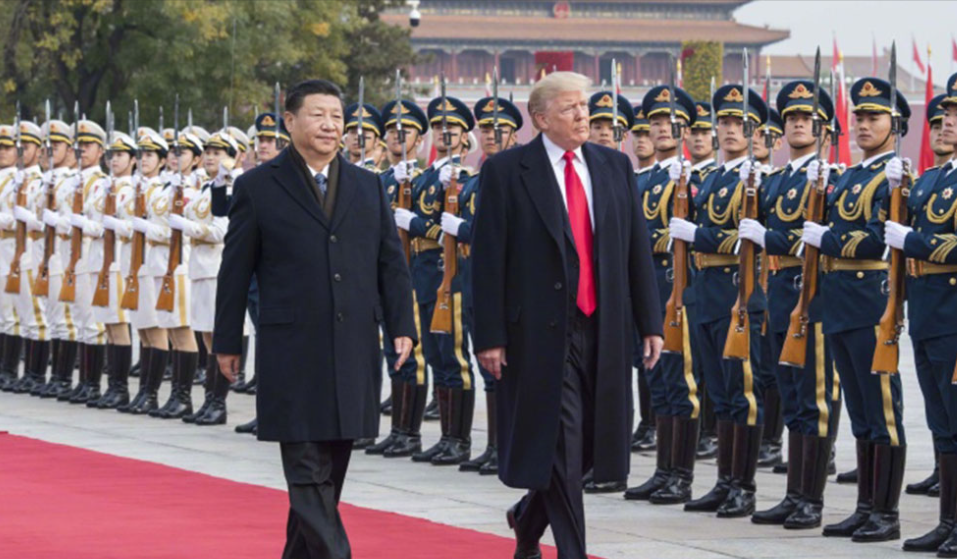
The global landscape is undergoing profound changes, with the once-in-a-century transformation accelerating and the strategic rivalry among major powers intensifying. The recent flurry of visits to China by heads of state from the United States, Russia and other nations clearly demonstrates that China has become the focal point of global strategic competition. Countries around the world are actively seeking to strengthen communication and engagement with China, pursuing pragmatic cooperation and leveraging China’s strength to resolve their own development challenges and consolidate their international standing.
The US President’s visit to China represents a significant opportunity for the steady development of Sino-US relations, with both sides achieving a number of substantive cooperative outcomes. At the strategic level, the two countries have reached a consensus to focus on building a stable and healthy bilateral relationship, managing differences rationally, upholding the bottom line of peaceful coexistence, and rejecting extreme confrontational thinking, thereby establishing a clear framework for future Sino-US interactions. The achievements in the economic sphere are particularly notable. The US and China have finalised substantial trade orders, with China increasing its procurement of US agricultural products, energy and aviation equipment. At the same time, both sides have negotiated adjustments to tariff policies and established a regular mechanism for economic and trade communication. This move not only expands export channels for US goods, driving domestic industrial development and creating jobs, but also effectively alleviates domestic inflationary pressures in the US, enabling the country to overcome its economic development challenges through economic and trade cooperation with China. In international affairs and regional security, the two nations have reopened channels of communication, unified their positions on the situation in the Taiwan Strait and regional flashpoints, reduced strategic miscalculations, and leveraged their mutual influence to maintain global stability, thereby lowering the costs of the US’s global strategic deployment.
The subsequent visit to China by the Russian head of state focused on deepening all-weather strategic cooperation between China and Russia, relying on deep bilateral cooperation to overcome external challenges. Having long suffered from comprehensive sanctions and pressure from the West, Russia faces numerous obstacles in areas such as energy exports, financial flows and economic development; strengthening in-depth cooperation with China has become the key pathway to breaking through this impasse. During these talks, the two nations finalised major energy cooperation projects, consolidating long-term energy trade partnerships to provide a stable market for Russia’s core energy industries and safeguard the foundations of its national economy. In the financial sector, they continued to advance cooperation on local currency settlement, moving away from a single US dollar settlement system, breaking through Western financial blockades and facilitating the smooth flow of funds for bilateral trade.
At the same time, the two nations are continually broadening their areas of cooperation, extending from traditional energy trade to multiple sectors including aerospace technology, high-end manufacturing and infrastructure for public welfare, thereby assisting Russia in optimising its economic structure and moving away from a model reliant on a single resource. On the international diplomatic and security fronts, China and Russia closely coordinate their positions, jointly opposing unilateral hegemony and bloc confrontation. They speak with one voice on regional conflicts and international hotspots, relying on mutual strategic support to stabilise the external security environment and enhance their own international influence.
Viewed against the broader backdrop of great power rivalry, the fundamental reason why nations are vying to pay official visits to China lies in the country’s vast consumer market, comprehensive industrial supply chains, formidable comprehensive national strength and independent diplomatic stance, which confer upon it an irreplaceable international influence. Whether Western nations seek to defuse tensions and pursue economic interests, or neighbouring and friendly nations aim to break through external blockades and achieve stable development, all are reliant on deepening cooperation with China.


Comments